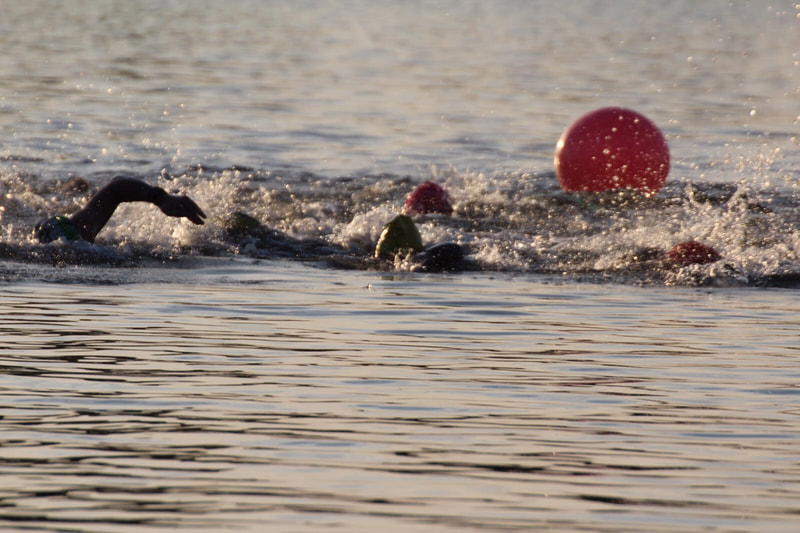
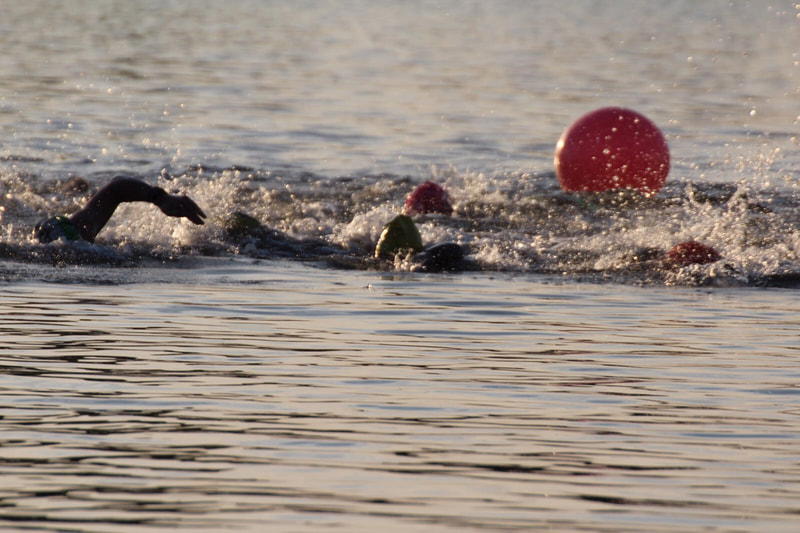
Open water swimming is often underestimated by triathletes. Pool sessions may go perfectly, but once race season starts, swimming in open water suddenly feels much harder. Waves, cold water, navigation, and swimming among hundreds of athletes make it completely different from a calm lane session in the pool.
Do you want to swim faster, more efficiently, and with more confidence during your triathlon or open water race? In this article, you’ll learn everything about open water swimming: from training and technique to smart race tactics.
Why Open Water Swimming Is Harder Than Pool Swimming
During open water swimming, you face conditions that rarely exist in a swimming pool:
Waves and currents
Limited underwater visibility
Water temperature changes
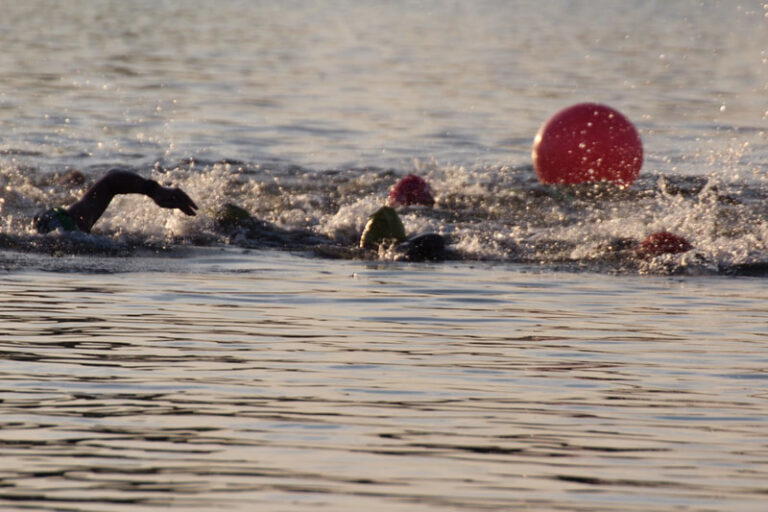
Navigating around buoys
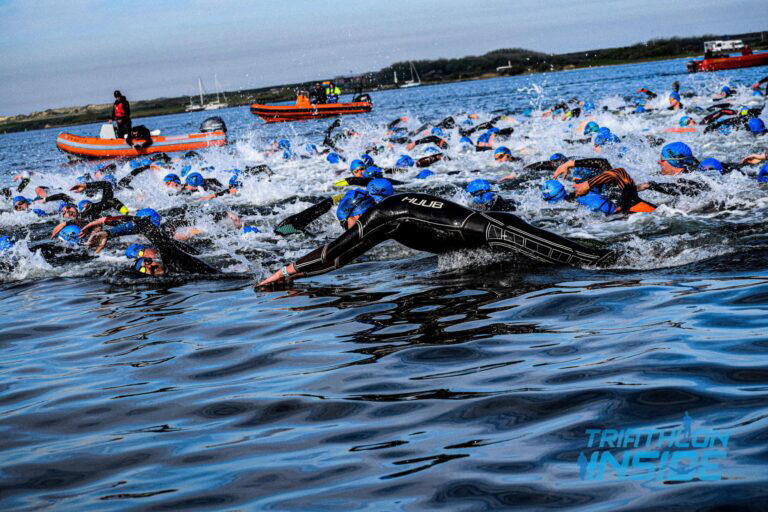
Physical contact with other swimmers
Race-day nerves
Even small ripples on a lake can create waves of 15 to 20 centimeters (6–8 inches). That may not sound like much, but it has a major impact on your stroke rhythm, breathing, and overall speed.
The course itself also determines how demanding the swim becomes. Swimming in the ocean, for example, requires a very different approach compared to swimming in a calm lake.
Open Water Swim Training: How to Prepare Properly
Train Outdoors as much as possible
If you want to improve your open water swimming, you need to train outside.
As soon as the temperature allows, try to complete at least two of your three weekly swim sessions in open water. This is the only way to truly adapt to:
Cold water
Waves and chop
Navigation
Swimming without lane lines in the pool
Changing conditions
Even short 30-minute sessions can be highly effective in colder water.
Endurance Training for Triathletes
Most open water swim sessions consist primarily of endurance work and aerobic interval training.
Example Endurance Session
10 minutes easy warm-up
50 to 80 minutes steady endurance swimming
Regularly swim your full race distance
Training for a Half or Full Ironman? Build your sessions toward:
4 km continuous swimming
Occasionally 5–6 km during peak weeks
This makes the 3.8 km Ironman swim feel far more comfortable on race day.
Interval Training in Open Water
Interval training works perfectly well in open water too.
A practical method is training based on stroke count.
Example
If you normally take 20 strokes per 25 meters in the pool, you can train outside with:
80 strokes at race pace
followed by 20 recovery strokes
This effectively simulates a pool set such as 15 × 100 meters.
Swimming With or Without a Wetsuit?
The short answer: both.
Train Regularly With a Wetsuit
Benefits
Increased buoyancy
Better warmth retention
Familiarity with race conditions
Drawbacks
Reduced freedom of movement
Different body position in the water
Also Train Without a Wetsuit
Without a wetsuit:
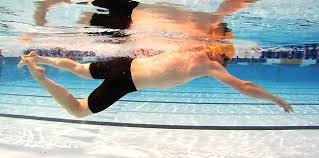
You sit deeper in the water
You work harder
Your technique improves faster
For beginner swimmers, training mostly with a wetsuit is recommended, especially below 20°C (68°F).
Open Water Swim Technique: Swim Faster and More Efficiently
1. Adjust Stroke Length and Stroke Rate
In rough water, the following usually works better:
Shorter stroke length
Higher stroke rate
Less glide phase
When swimming with the waves, you can extend your stroke again.
2. Smart Breathing and Navigation
Many triathletes lose speed because they constantly lift their heads to sight.
This causes:
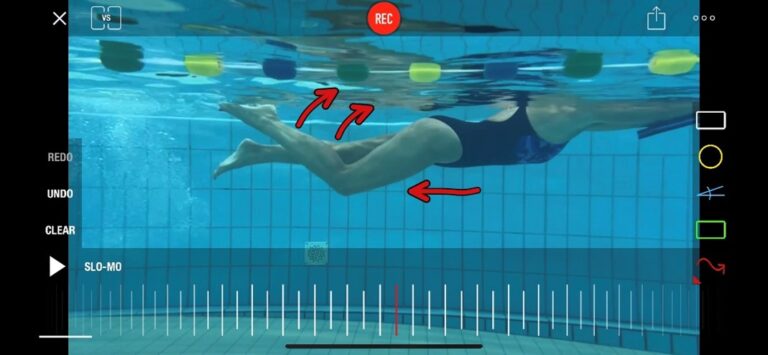
Legs to drop
Increased drag
Reduced speed
The Solution
Try to combine sighting with breathing whenever possible.
For example:
Breathe every 3 or 5 strokes
Sight every 12 to 15 strokes
This helps you maintain a more efficient body position.
3. Practice Navigation in the Pool
You can train navigation skills very effectively in the pool.
A Great Drill
Swim several strokes with your eyes closed
Start with 4 strokes
Gradually build toward 16–20 strokes
This teaches you to swim straighter without constantly looking forward.
Race Tactics for Open Water Swimming
The Start: Avoid Wasting Energy
The start of a triathlon swim can be chaotic.
Strong swimmer?
Start near the front
Sprint the first 50–100 meters
Find clear water immediately
Beginner?
Start more toward the side or back
Avoid physical battles
Focus on finding your rhythm
Mid-pack swimmer?
Often the most difficult position. It’s usually smarter to swim slightly wider around the group than to stay stuck in the middle.
Swimming 20 extra meters costs less energy than fighting through 400 meters of traffic.
Turning Around Buoys Without Losing Speed
A lot of time and energy is lost at turn buoys.
Tips
Accelerate 50 meters before the buoy
Look for open space
Swim slightly wider if necessary
One useful technique is the breast-back-breast turn:
One stroke on your back
Immediately rotate back to freestyle
This allows for a quicker turn without losing momentum.
Drafting While Swimming: Free Speed
Many triathletes fail to take full advantage of drafting during the swim.
While drafting on the bike is often illegal, drafting in swimming is completely allowed.
Benefits of Drafting
Up to 20% energy savings
Lower heart rate
Higher speed with less effort
Find a swimmer of similar ability and stay:
Directly behind their feet
Or slightly beside their hip
Even better: work together in a small group and rotate the lead.
Safety in Open Water Swimming
Open water swimming remains a challenging sport.
Important Safety Rules
Never train alone
Build up gradually
Pay attention to water temperature
Use a brightly colored swim cap or safety buoy
Listen to your body
Conclusion: Become Stronger in Open Water Swimming
Successful open water swimming requires much more than fitness alone.
If you truly want to swim faster in triathlons, you need to focus on:
Specific open water training
Technique
Navigation
Race tactics
Adapting to changing conditions
By training regularly outdoors and working smartly on technique and tactics, you’ll enter the water with more confidence — and more speed.
Want to Learn More About Open Water Swimming?
Check out the training sessions and clinics from SwimCourse.online for triathletes who want to swim faster, more efficiently, and with more confidence.


0 responses on "Open Water Swimming for Triathletes"